Calligraphy is the art of writing where every line, pause and curve is a conscious choice. It is a slow and focused process that offers balance to the rush of everyday life. In calligraphy, not only the final result matters, but also the rhythm and feeling of writing.
Calligraphy is often associated with something complicated and time consuming, but in reality anyone can begin. The first steps do not require a perfect hand or deep knowledge, but rather suitable tools and a willingness to practice.
What Makes Calligraphy Calligraphy
Calligraphy differs from ordinary writing because of the variation in line width. The thickness of the line depends on the pressure applied and the direction of the stroke. To achieve this effect, special writing tools are used that respond to the movement of the hand and the pressure applied.
A regular ballpoint pen produces a uniform line, whereas calligraphy tools create a dynamic and lively script. This is what gives letters their distinctive and visually interesting character.
Writing Tools and Holders
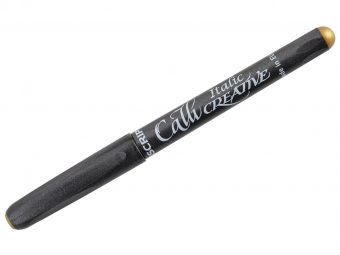
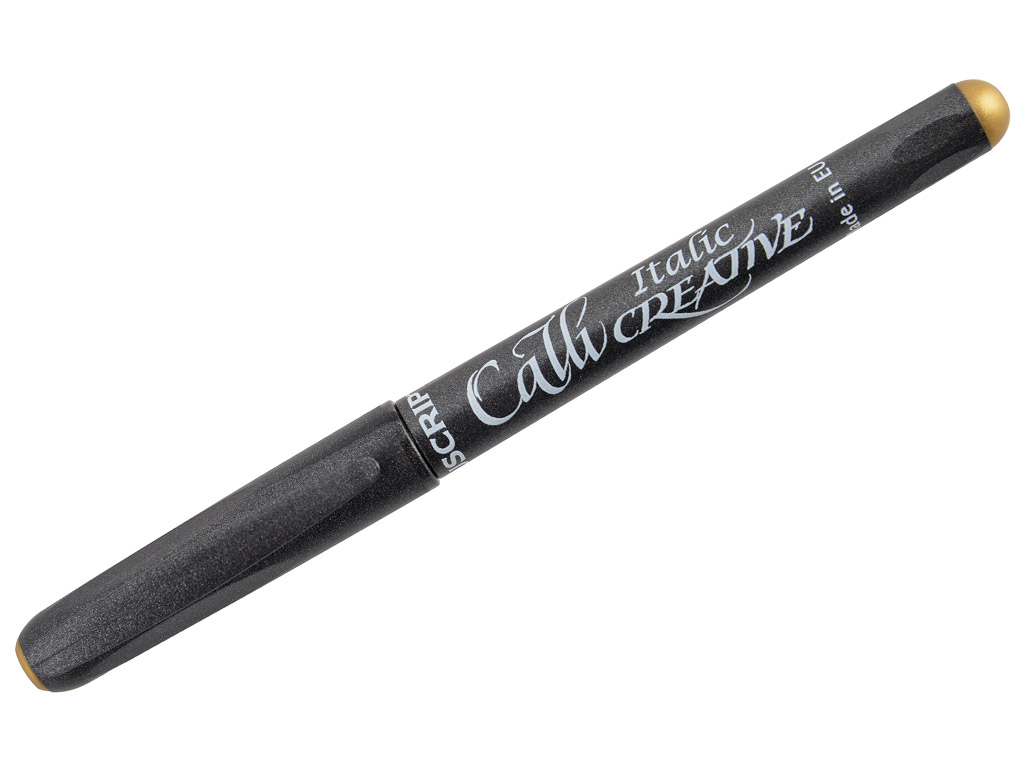
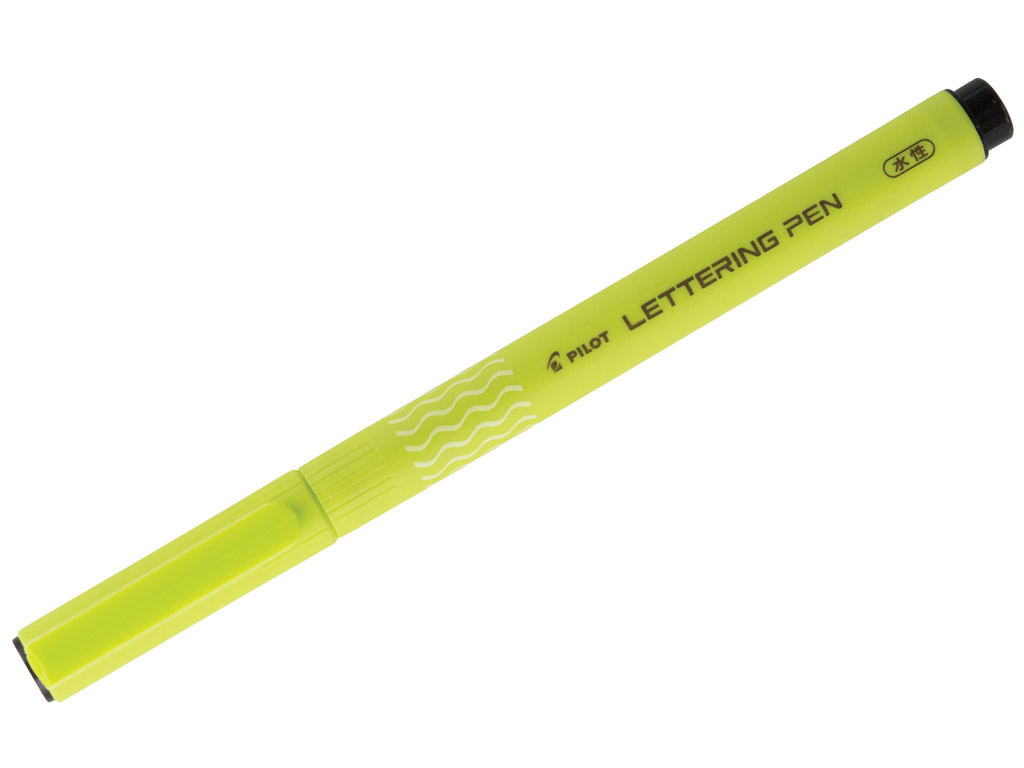
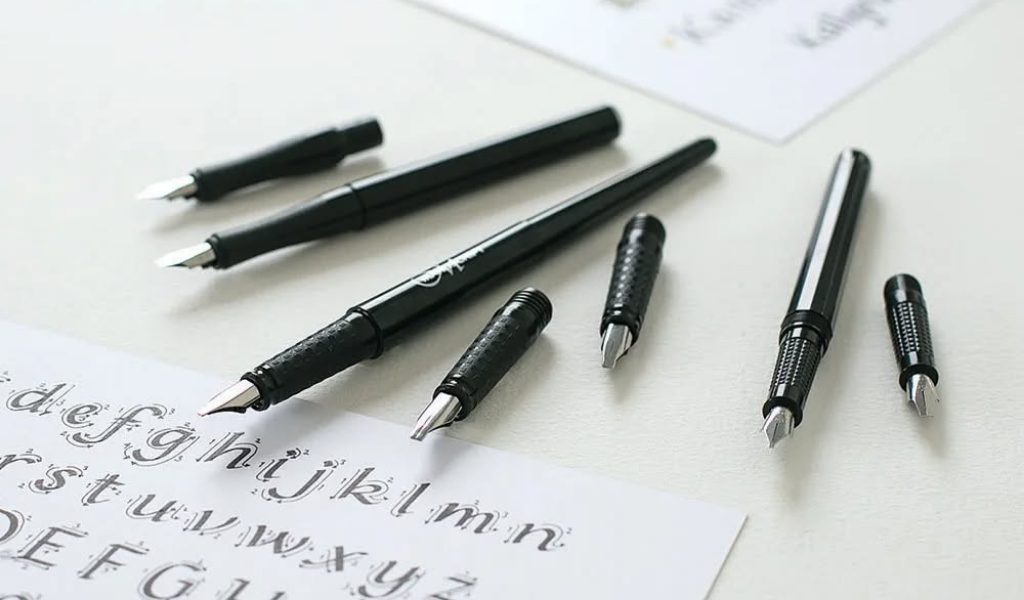
Calligraphy is usually started with either calligraphy markers or nib holders with interchangeable nibs. Calligraphy markers are simple and convenient, making them well suited for practice. They help to understand letter shapes, spacing and the rhythm of the line without having to deal with ink flow right away.
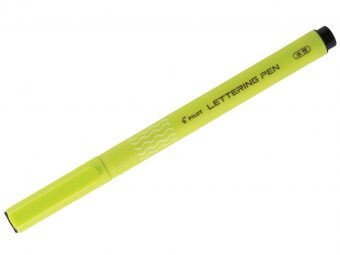
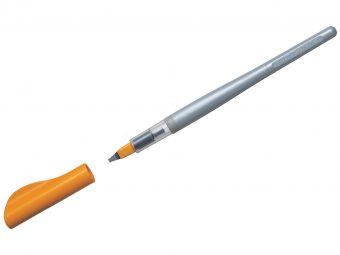
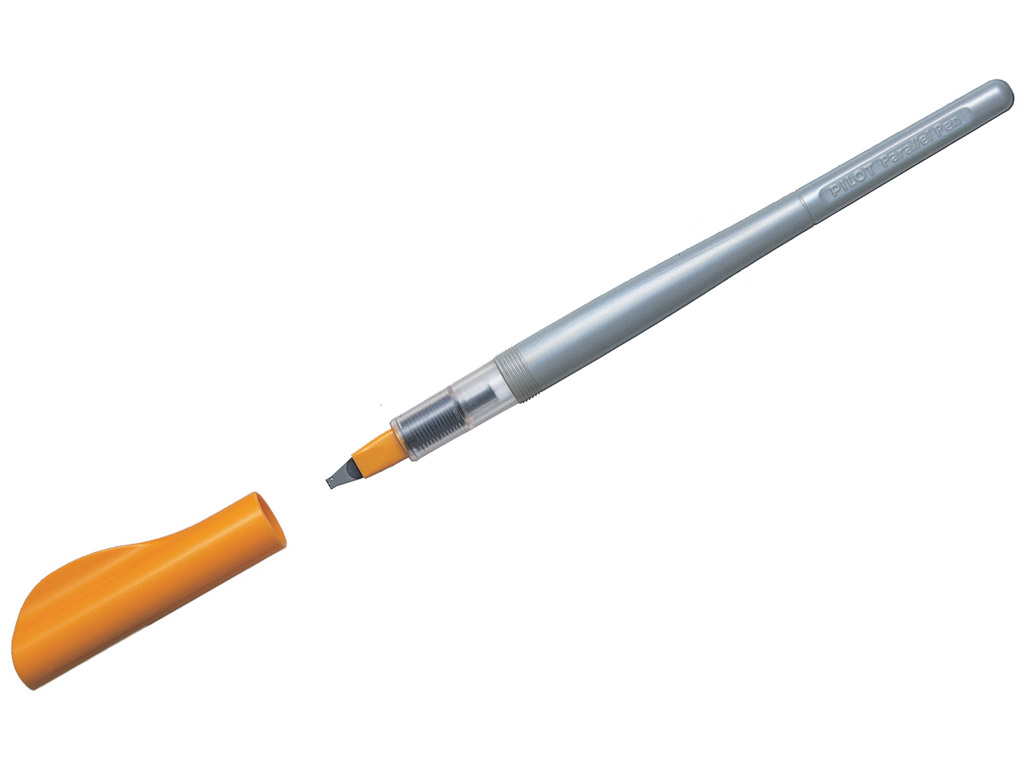
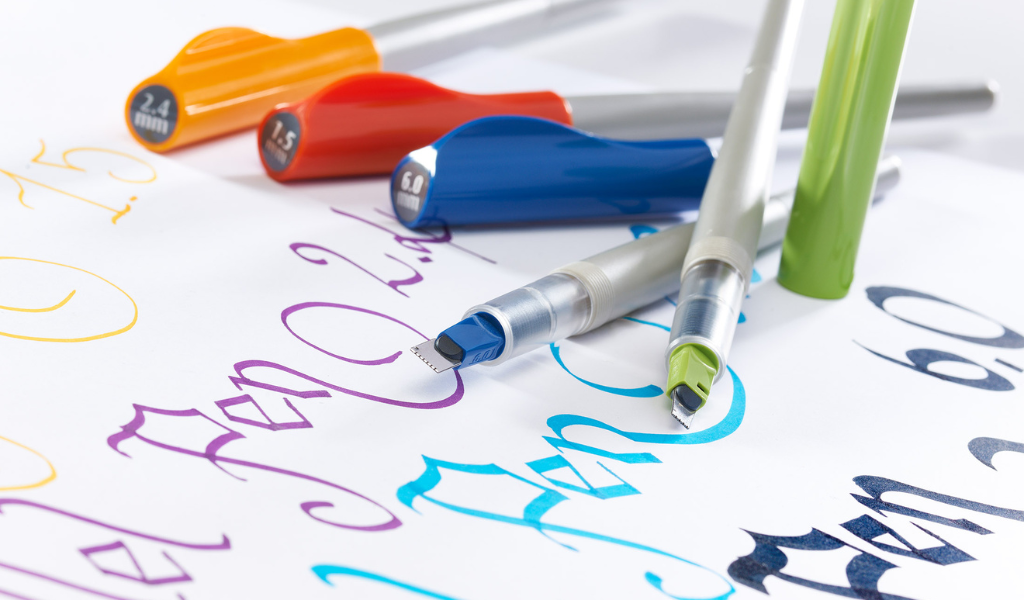
Calligraphy also makes use of writing tools with a chisel-shaped tip that combine the convenience of a marker with the logic of a broad nib. These are well suited for practicing classical scripts and provide a clear understanding of line rhythm and proportions without the need to handle separate ink and metal nibs. Such tools include both calligraphy markers and specialised fountain pens, such as the Pilot Parallel Pen, which is often used in the learning and practice stage.
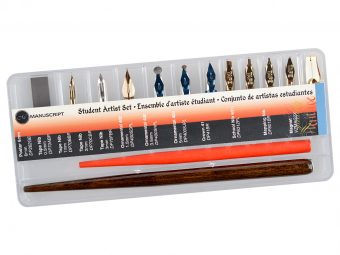
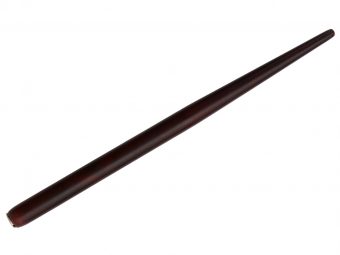
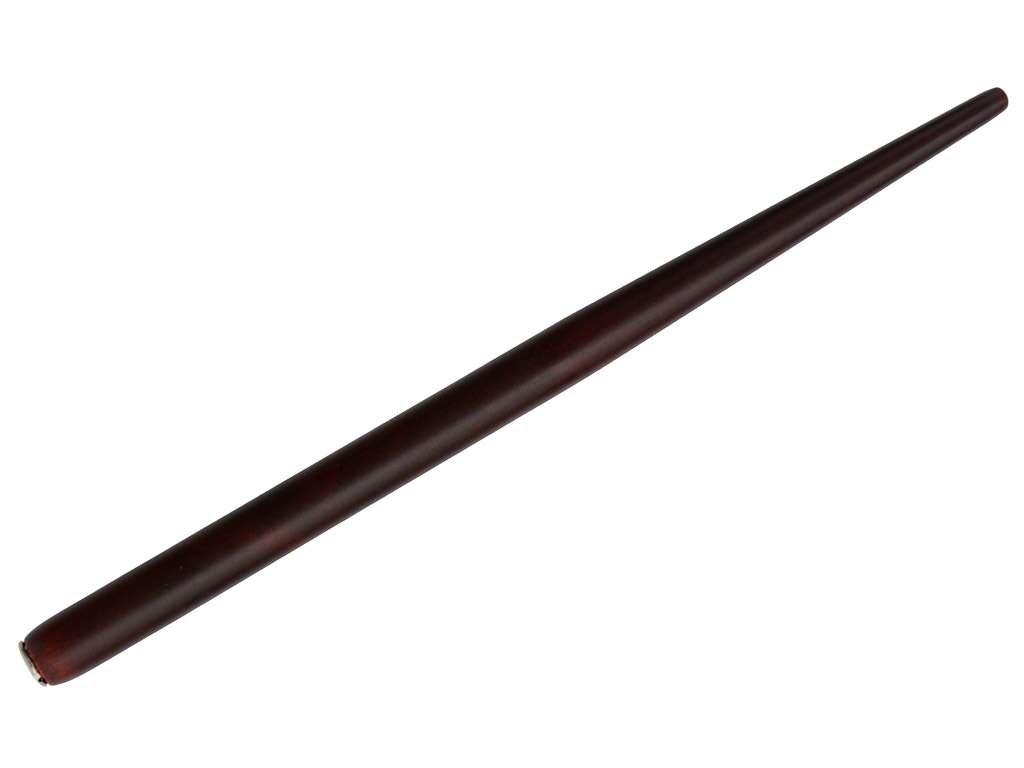
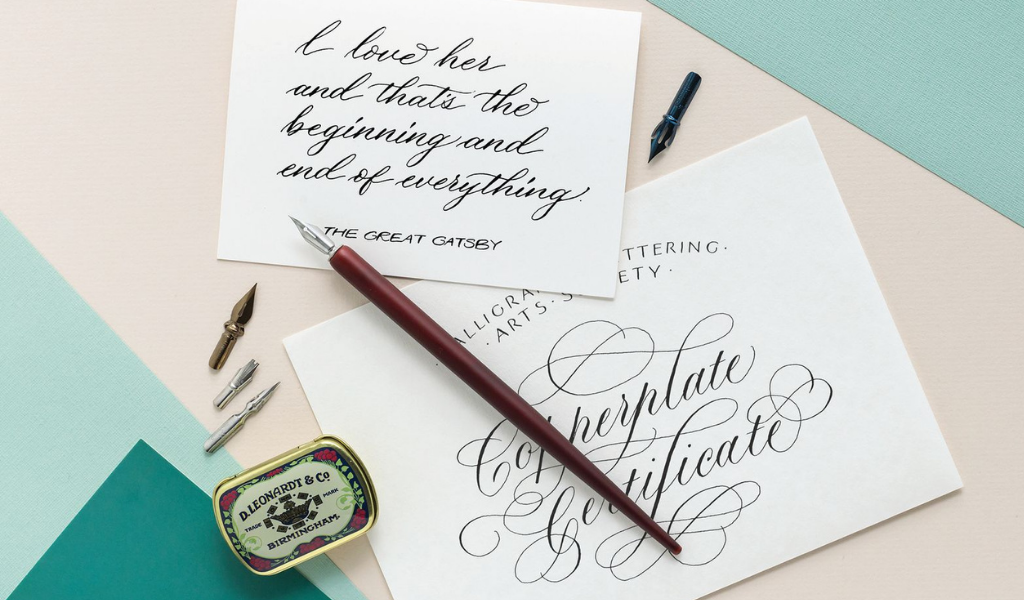
A nib holder with a metal nib offers a more traditional experience. Using it requires slightly more attention, but it provides a better sense of line variation and the character of writing.
The Role of Nibs in Calligraphy
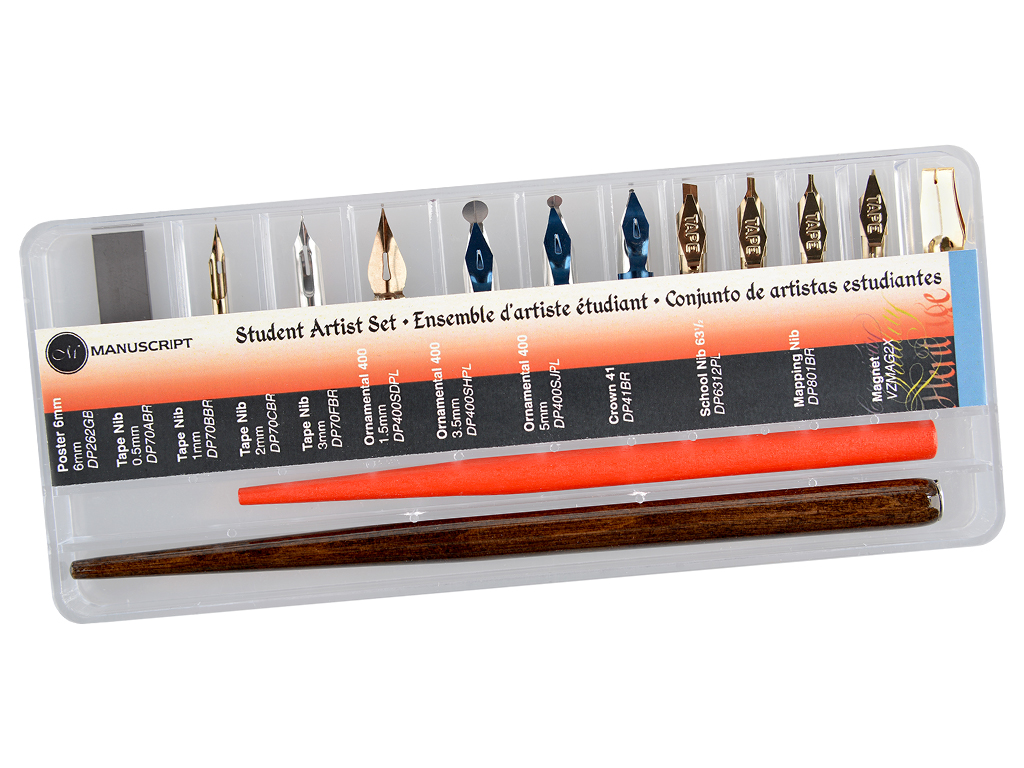
A calligraphy nib directly affects the type of line that appears on paper. The nib determines the variation in line thickness, the flow of ink and the overall feeling of writing. Unlike markers or standard writing tools, a metal nib reacts very sensitively to pressure and movement, which is why it plays a central role in shaping the character of calligraphy.
In general terms, calligraphy nibs can be divided into flexible fine nibs that suit elegant and flowing scripts, and stiffer nibs that create a more even and stable line. There are also nibs designed mainly for drawing, detailed ink work or decorative elements.
For beginners it is not necessary to understand all these differences immediately. Often one or two versatile nibs are enough to get a sense of how a nib behaves in the hand and how the line changes on paper. As skills develop, the choice of nib increasingly depends on the desired script style, the purpose of the work and personal writing habits.
Because the world of nibs is diverse and detailed, we will explore different nib types, their purposes and uses in more detail in a separate blog post.
Inks and Their Role
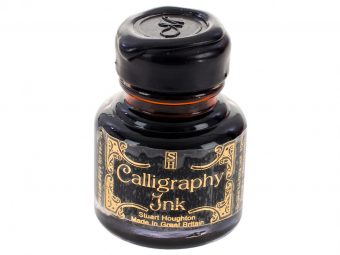
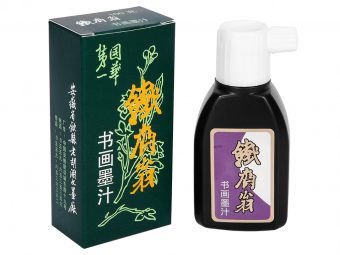
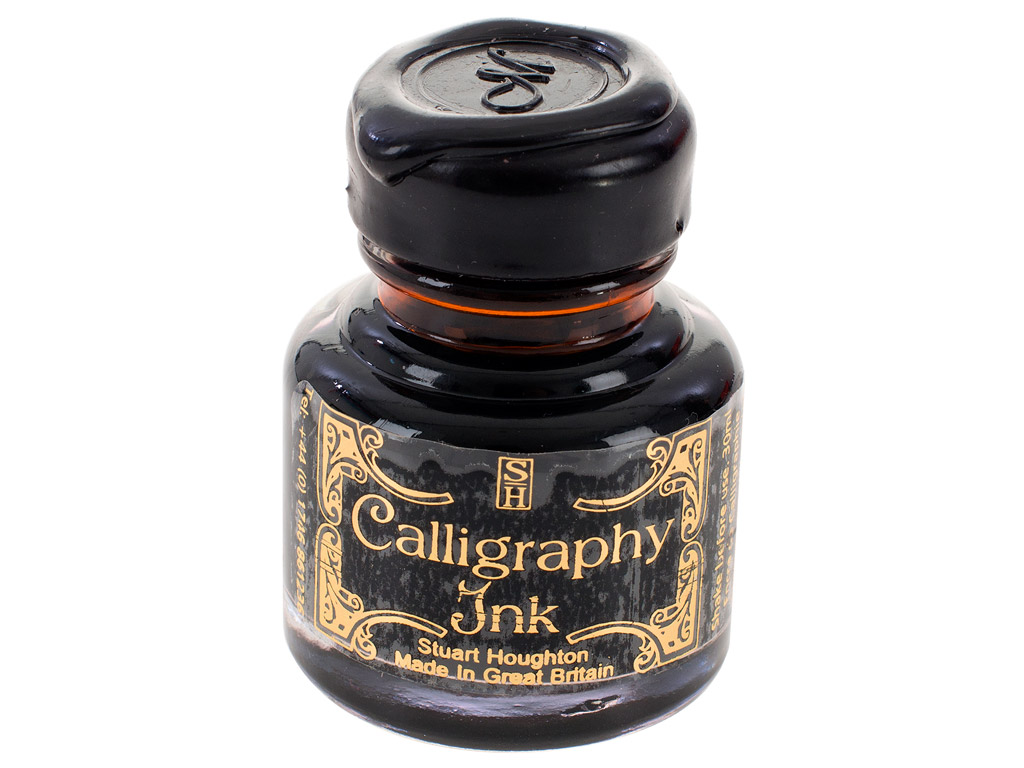
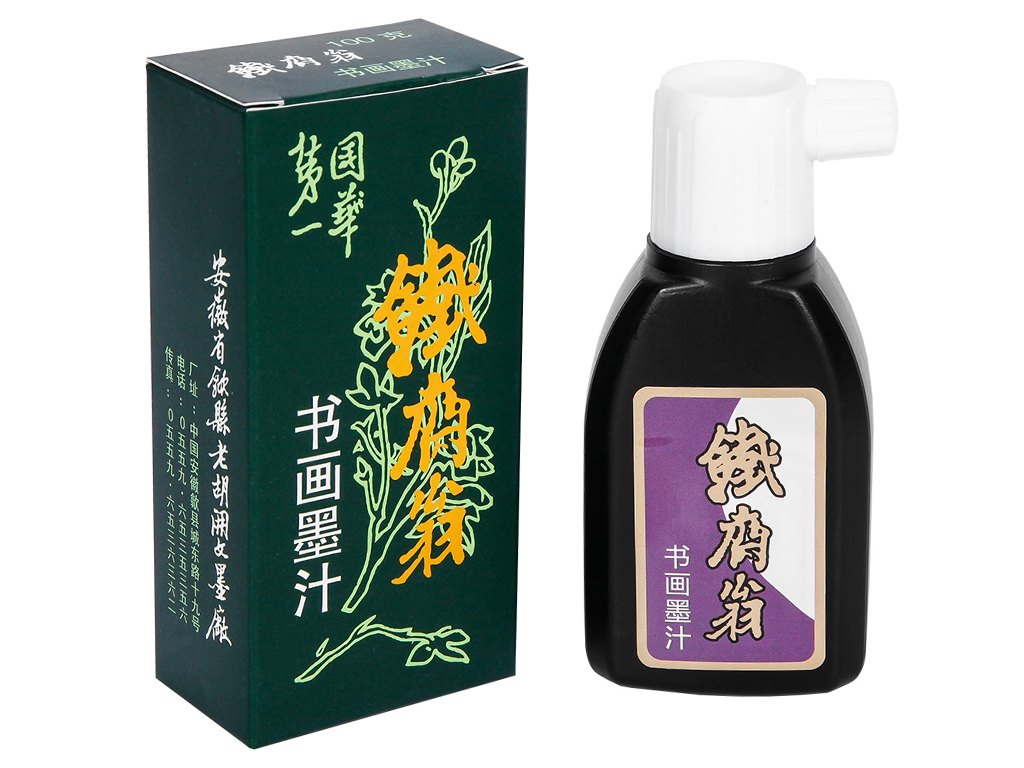
Calligraphy uses liquid inks that are specifically designed for writing. These flow evenly, dry in a balanced way and are formulated so they do not damage the nib. Ink intended for writing does not clog the tip of the nib or wear it down unnecessarily, which is especially important for beginners who are still learning to control pressure and movement.
Regular drawing inks or acrylic inks may be thicker and contain binders or pigments that are not suitable for fine calligraphy nibs. Such inks can obstruct the flow of ink, cause broken lines or damage the nib. For this reason it is best to start with inks designed specifically for calligraphy, which support the learning process rather than create additional difficulties.
Classic colours such as black and dark blue are well suited for beginners, as they clearly reveal the quality of the line and help to focus on technique. As your hand becomes more confident, you can experiment with coloured inks and different effects.
Paper as an Important Partner
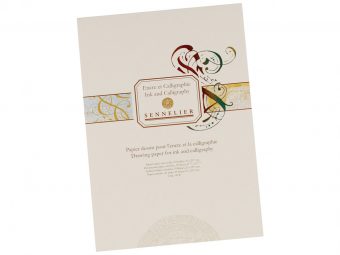
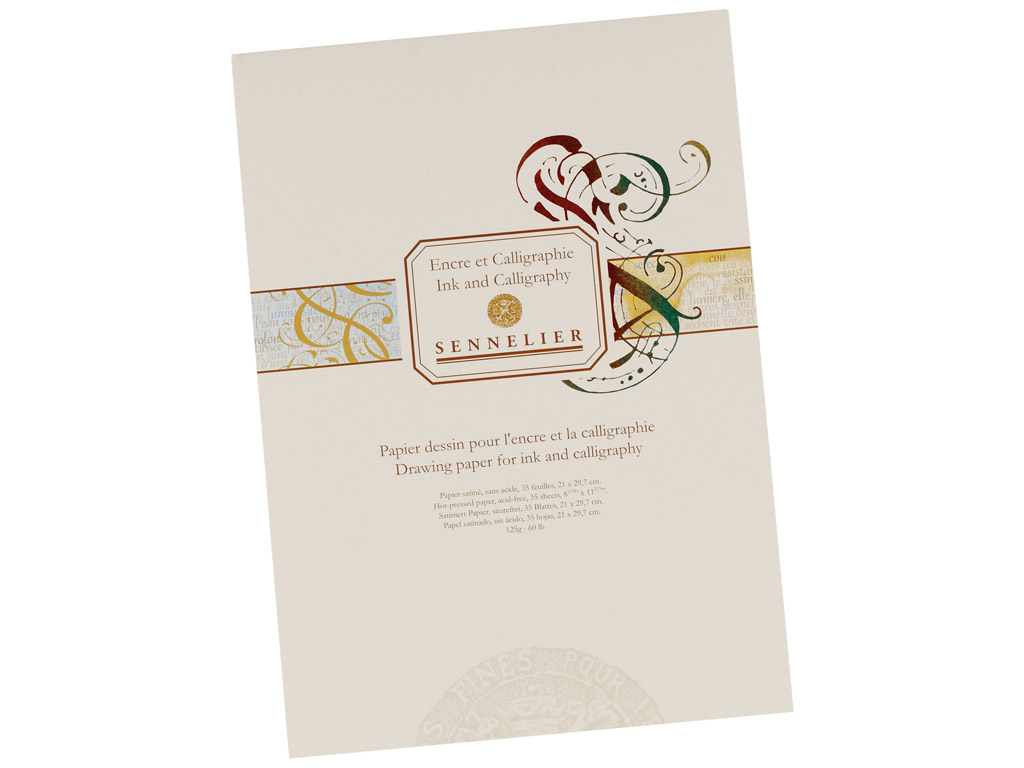
Paper plays a bigger role in calligraphy than it may seem at first glance. A surface that is too rough can catch or damage the nib, while paper that is too absorbent may cause the ink to spread. Smooth papers with moderate absorbency are best suited for calligraphy, as they allow the ink to remain crisp and clear.
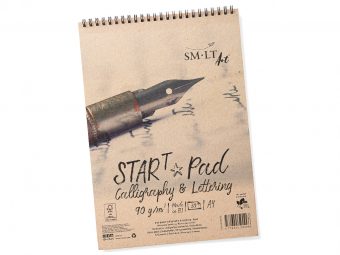
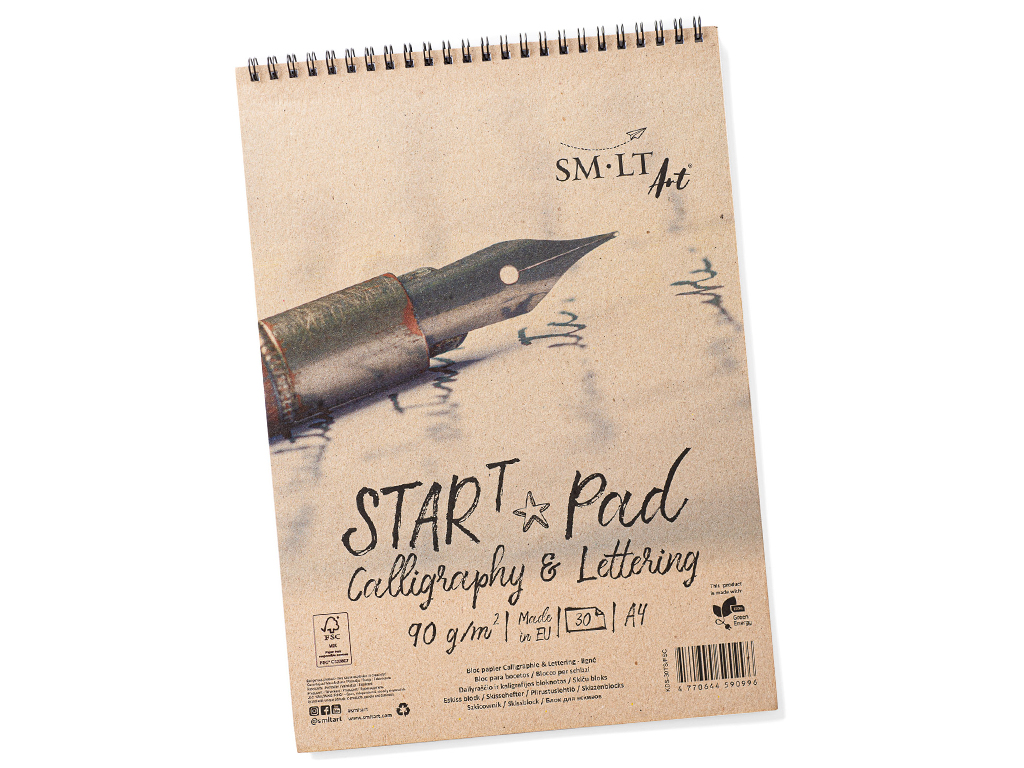
For practice, special practice sheets or smooth sketch paper are often used so letters and strokes can be repeated calmly. For beginners, calligraphy pads with guide lines are especially helpful, as they help maintain letter height, slant and spacing. As your hand becomes more confident, dotted or lightly marked sheets can also be useful, offering guidance while allowing more freedom.
Calligraphy as a Calm Practice
Calligraphy is not a quick project or a results driven skill. It is a process of consistent practice, where each session helps to better understand the cooperation between hand, eye and nib. Small improvements accumulate over time and eventually allow you to develop your own writing style.
Starting with the right tools makes the learning process smoother and more enjoyable. Calligraphy offers a way to slow down, focus and create something deliberately and calmly.